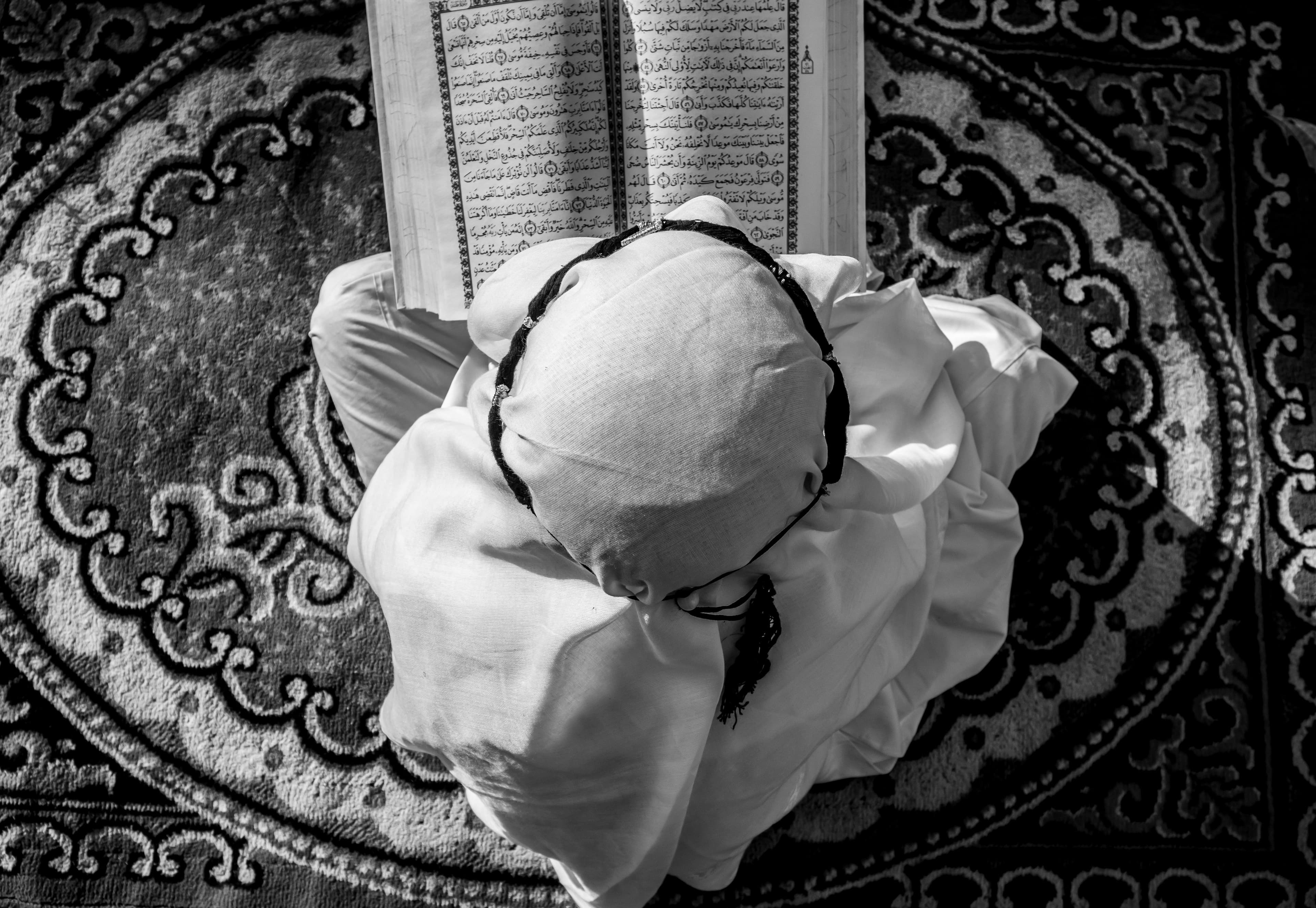
How to Start Hifz Quran: A Practical Guide for Beginners
Start Hifz from a strong reading foundation: pronunciation, a small new lesson, repetition, teacher correction, and revision of older portions.
10 September 2026 · 11 min read · Fahm-ul-Quran Online Quran Academy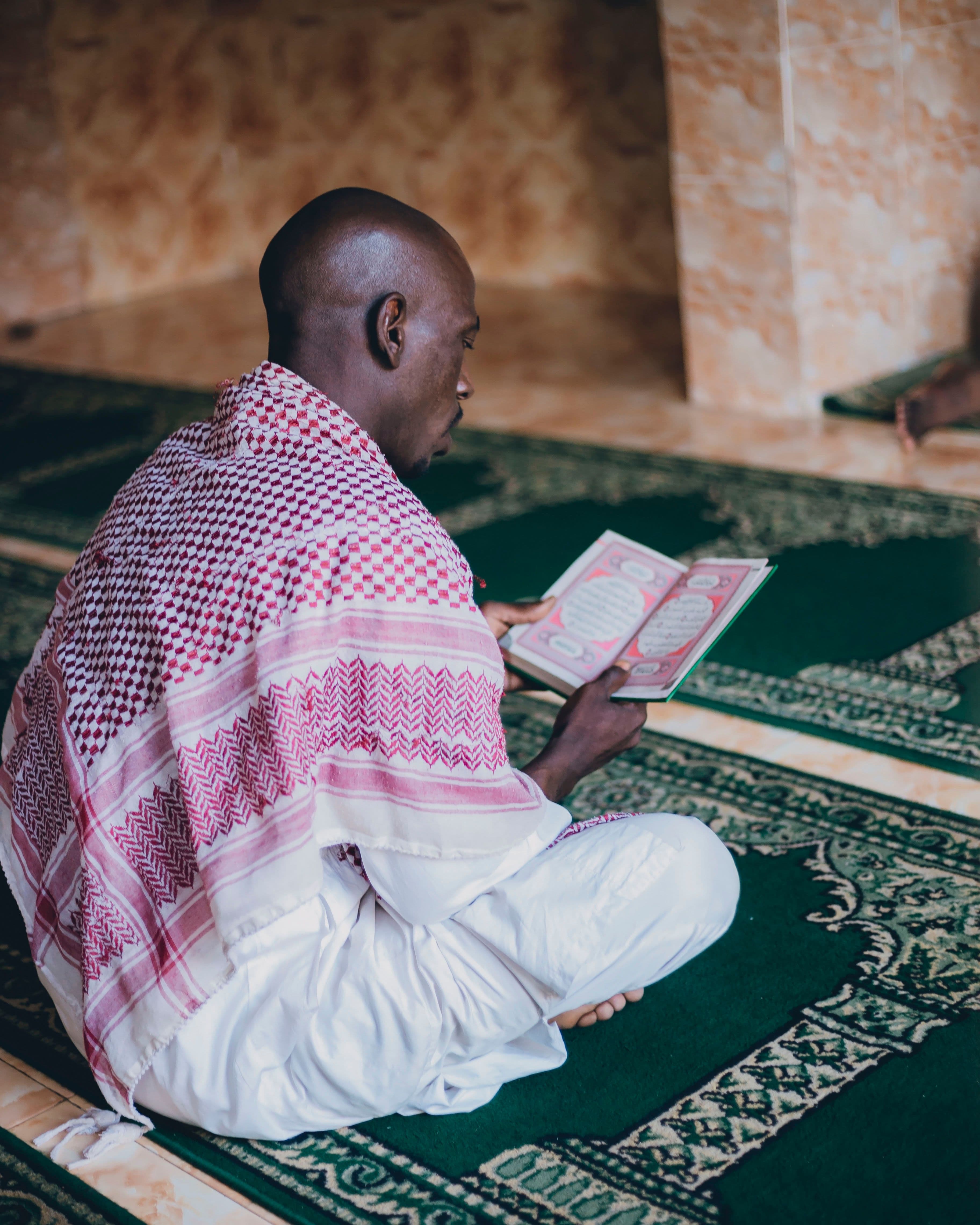
Starting Hifz is not the same as deciding to “read more pages.” Memorization stores whatever you recite. If the recitation is still guessed, rushed, or unclear, memory will keep that version. A practical beginning is slower than many people hope, and more sustainable than a burst of new lines with no revision.
Hifz is highly individual. Age, reading fluency, available time, and how quickly older portions fade all change the plan. There is no honest promise that a student will complete memorization in a set number of months or years. Anyone selling that certainty is describing a brochure, not a student.
For the ongoing method — new lines versus revision, kids and adults already on the path — see how to memorize the Quran. This guide stays with the beginning: what to check before you start, a simple cycle you can actually repeat, and how to avoid burning out in the first months. It is not a class-format page and not the overall beginner reading sequence.
Should You Start Hifz Before Perfecting Your Quran Reading?
Strong reading ability and correct pronunciation are important foundations. You do not need every named Tajweed term in a textbook before you memorise a short surah. You do need to read the line you intend to store without inventing vowels or sliding past similar letters.
If joining still collapses, or a teacher cannot yet trust the makhraj of letters that look alike, pause the Hifz ambition and stay with Quran reading — or with Noorani Qaida if the primer is not finished. Memorizing a weak line is not “ahead.” It is extra work later.
Tajweed belongs in this decision because what you repeat will become automatic. Basic correct sounds start with the first letters. Fuller rules make more sense once you can already read. When that point comes, Quran with Tajweed is the course that applies those rules to the pages you already use. What those rules are — and are not — is in What Is Tajweed?. Beginner habits that undermine both reading and Hifz are listed in common Quran reading mistakes beginners make.
A Readiness Check Before the First New Line
You do not need a certificate. You do need a teacher who can hear most of the following without feeding you every word:
- You can follow a new line on the page, slowly, without inventing vowels.
- Similar letters do not collapse into one sound on a good day.
- A short passage from last week still exists the next morning.
- You can sit for a 30-minute live lesson on a weekday you actually have.
If two or more of those fail, stay with reading. Starting Hifz anyway is not ambition. It is storing a draft.
Assess Reading First, Then Choose a Starting Point
Ask a teacher to listen. A trial class is built for that. The starting point might be a short surah you already hear often, or it might be “not yet — two more months of Nazra.” That second answer is a gift. It is cheaper than unlearning a juz’ stored with errors.
Set a manageable target. One line that stays is better than half a page that is gone by next week. Adults with full days often need smaller new portions than children who can sit with the mushaf after school. The target should survive a normal Tuesday, not only a quiet holiday.
A Simple Hifz Cycle
This is a general learning framework, not a fixed Fahm-ul-Quran schedule. Teachers will vary the size of each piece. The shape is what matters:
- New lesson — a small portion you can actually finish.
- Repetition — the same lines aloud, slowly, several times.
- Teacher correction — someone hears what you cannot hear.
- Revision — yesterday’s and last week’s portions again.
- Review of older portions — so the back of the Hifz does not collapse.
New material without revision is how students “complete” pages they can no longer recite. If older portions are slipping, reduce the new lesson until the old ones are stable. That is not going backwards. It is keeping the house standing while you add a room.
Repetition and daily revision
Memory likes return visits. Repeating a line the same day, then meeting it again with the teacher, is more useful than a long first sitting you never reopen. There is no single required daily duration. A short focused session that happens most days beats an exhausting weekend catch-up.
Home review should follow what the teacher assigned. Ideas for keeping that review tied to the live class are in How to Practise Quran Recitation at Home.
Teacher feedback
Self-recording can help you notice a stumble. It cannot replace a teacher who stops you, models the word, and asks you to try again. Live one-to-one classes exist for that loop. Fahm-ul-Quran provides personalized Hifz learning according to the student’s level, progress, and learning needs. We do not publish a guaranteed completion time, a fixed weekly frequency, or a one-size revision calendar.
The Hifz course page is the place to read how that work is framed at the academy. The actual load is decided after someone has heard you recite.
Adjust the Pace, Protect Consistency
Speed is a poor goal. Consistency is the one that still works in Ramadan, during exams, and when work runs late. If a week is heavy, keep revision and pause new lines rather than skipping entirely and then cramming.
Burnout often looks like this: the student adds more new material to “catch up,” older portions fall apart, anxiety rises, and Quran becomes a source of dread. The correction is smaller new lessons and more review — not a motivational speech.
- Keep old memorized portions in the weekly mix on purpose.
- Tell the teacher when life has changed; the plan should move.
- Rest when you are ill. Reciting badly because you are exhausted teaches a tired version of the line.
Children, Adults, and the Same Cycle
Children may have more daytime hours and less patience for revision. Adults may have discipline and very little spare time. The cycle above still applies. The sizes change. Parents should not turn Hifz into a race with another child in the extended family. Adults should not assume they are “too late”; they should assume they need a smaller daily portion.
What the First Weeks of Hifz Usually Feel Like
The first weeks are often less dramatic than people expect. You are not “doing Hifz” in the sense of covering large stretches. You are proving that a small portion can be recited tomorrow without collapsing. That proof is the whole method.
It is common to feel behind compared with a story you heard about someone who finished quickly. Those stories leave out the reading years that came first, the revision that never stopped, and the days that were not Instagram-ready. Your job is the next assigned line, then the old ones, then sleep.
If a teacher asks you to stay on reading for a while longer, that is still Hifz preparation. The mushaf you will later memorise has to be a mushaf you can already see clearly.
Talk Through the Next Step
If you want a teacher to hear your current reading and talk through whether Hifz is the next step, request a free trial. Classes are one-to-one and live, about 30 minutes, Monday to Friday. The 3-day trial is completely free. Submitting the form is a request, not instant enrolment.