
Allahu Akbar
اللهُ أَكْبَرُ
Allāhu akbar
English: Allah is the Greatest.
اردو: اللہ سب سے بڑا ہے۔
The opening takbir that begins the prayer.Salah (namaz) is the five daily prayers. It is the most regular act of worship in a Muslim’s day: standing, bowing, and prostrating before Allah. This page gives a general overview for beginners. Details of hand placement and some recitations differ among recognised schools of law; learn the method your teacher follows.
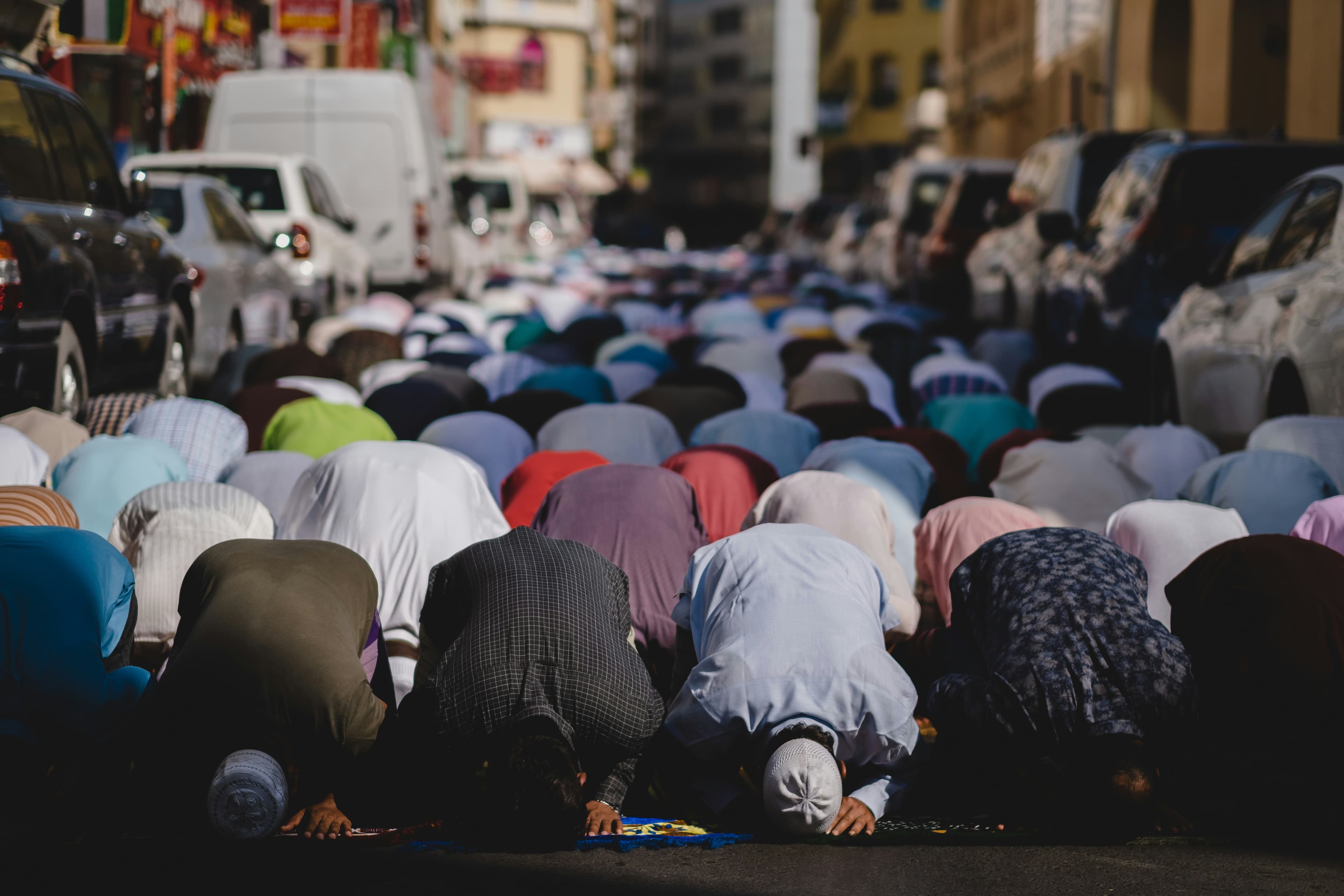
Salah is one of the five pillars of Islam. Muslims perform the prescribed daily prayers as worship of Allah. Salah requires purification, covering the ʿawrah appropriately, facing the Qiblah, and praying within the appropriate time.
This page is an educational beginner guide: how to pray a complete two-rakʿah Salah, then how three- and four-rakʿah prayers differ. It is not a fatwa and it does not claim one school’s details are the only valid method.
Minor details may differ between schools of Islamic jurisprudence. This guide presents a commonly taught Sunni method. For personal fiqh questions, consult a qualified scholar.
A rakʿah is one cycle of standing, bowing, and two prostrations. The example below is a complete two-rakʿah prayer, such as Fajr’s obligatory units, or a two-rakʿah sunnah or nafl prayer. Remain still in each posture before moving to the next.
Stand facing the Qiblah. Make the intention in your heart for the prayer you are praying. You do not need a spoken Arabic formula for the intention to be valid.
Raise the hands and say Allahu Akbar. A commonly taught Sunni method is then to place the right hand over the left. Schools differ on whether the hands rest below the navel or on the chest. Follow the method your teacher uses.
اللهُ أَكْبَرُ
Allāhu akbar
English: Allah is the Greatest.
اردو: اللہ سب سے بڑا ہے۔
The opening takbir that begins the prayer.After the opening takbir, a commonly taught sequence is the opening supplication (thana), seeking refuge, the basmalah, the complete Surah Al-Fatihah, then a short surah. Surah Al-Ikhlas is given here as a complete example.
سُبْحَانَكَ اللّٰهُمَّ وَبِحَمْدِكَ، وَتَبَارَكَ اسْمُكَ، وَتَعَالَىٰ جَدُّكَ، وَلَا إِلٰهَ غَيْرُكَ
Subḥānaka Allāhumma wa biḥamdik, wa tabārakasmuk, wa taʿālā jadduk, wa lā ilāha ghayruk
English: Glory be to You, O Allah, and praise is Yours. Blessed is Your name, exalted is Your majesty, and there is no god besides You.
اردو: اے اللہ! تو پاک ہے اور تیری ہی تعریف ہے۔ تیرا نام بابرکت ہے، تیری شان بلند ہے، اور تیرے سوا کوئی معبود نہیں۔
Reported in Sunan Abi Dawud, Jamiʿ at-Tirmidhi, and Sunan an-Nasa’i. This is a commonly taught opening in many Sunni classrooms.أَعُوذُ بِاللهِ مِنَ الشَّيْطَانِ الرَّجِيمِ
Aʿūdhu billāhi minash-shayṭānir-rajīm
English: I seek refuge in Allah from Satan, the accursed.
اردو: میں شیطان مردود سے اللہ کی پناہ مانگتا ہوں۔
Seeking refuge before reciting the Quran is taught from the Quran (16:98) and practised in Salah.بِسْمِ ٱللَّهِ ٱلرَّحْمَـٰنِ ٱلرَّحِيمِ
Bismillāhir-Raḥmānir-Raḥīm
English: In the name of Allah, the Most Merciful, the Especially Merciful.
اردو: اللہ کے نام سے جو نہایت مہربان، رحم کرنے والا ہے۔
Qur'an 1:1.بِسْمِ ٱللَّهِ ٱلرَّحْمَـٰنِ ٱلرَّحِيمِ ٱلْحَمْدُ لِلَّهِ رَبِّ ٱلْعَـٰلَمِينَ ٱلرَّحْمَـٰنِ ٱلرَّحِيمِ مَـٰلِكِ يَوْمِ ٱلدِّينِ إِيَّاكَ نَعْبُدُ وَإِيَّاكَ نَسْتَعِينُ ٱهْدِنَا ٱلصِّرَٰطَ ٱلْمُسْتَقِيمَ صِرَٰطَ ٱلَّذِينَ أَنْعَمْتَ عَلَيْهِمْ غَيْرِ ٱلْمَغْضُوبِ عَلَيْهِمْ وَلَا ٱلضَّآلِّينَ
Bismillāhir-Raḥmānir-Raḥīm. Al-ḥamdu lillāhi rabbil-ʿālamīn. Ar-Raḥmānir-Raḥīm. Māliki yawmid-dīn. Iyyāka naʿbudu wa iyyāka nastaʿīn. Ihdinaṣ-ṣirāṭal-mustaqīm. Ṣirāṭalladhīna anʿamta ʿalayhim ghayril-maghḍūbi ʿalayhim wa laḍ-ḍāllīn.
English: In the name of Allah, the Most Merciful, the Especially Merciful. All praise is for Allah, Lord of the worlds, the Most Merciful, the Especially Merciful, Master of the Day of Judgement. You alone we worship, and You alone we ask for help. Guide us to the straight path — the path of those You have blessed, not of those who incurred wrath, nor of those who are astray.
اردو: اللہ کے نام سے جو نہایت مہربان، رحم کرنے والا ہے۔ تمام تعریف اللہ کے لیے ہے جو تمام جہانوں کا رب ہے، نہایت مہربان، رحم کرنے والا، روزِ جزا کا مالک۔ ہم صرف تیری عبادت کرتے ہیں اور صرف تجھ سے مدد مانگتے ہیں۔ ہمیں سیدھا راستہ دکھا، ان لوگوں کا راستہ جن پر تو نے انعام کیا، نہ ان کا جن پر غضب ہوا، اور نہ گمراہوں کا۔
Qur'an 1:1–7.بِسْمِ ٱللَّهِ ٱلرَّحْمَـٰنِ ٱلرَّحِيمِ قُلْ هُوَ ٱللَّهُ أَحَدٌ ٱللَّهُ ٱلصَّمَدُ لَمْ يَلِدْ وَلَمْ يُولَدْ وَلَمْ يَكُن لَّهُۥ كُفُوًا أَحَدٌۢ
Bismillāhir-Raḥmānir-Raḥīm. Qul huwa Allāhu aḥad. Allāhuṣ-ṣamad. Lam yalid wa lam yūlad. Wa lam yakun lahū kufuwan aḥad.
English: In the name of Allah, the Most Merciful, the Especially Merciful. Say: He is Allah, One. Allah, the Eternal Refuge. He neither begets nor is born, nor is there to Him any equivalent.
اردو: اللہ کے نام سے جو نہایت مہربان، رحم کرنے والا ہے۔ کہہ دو: وہ اللہ ایک ہے۔ اللہ بے نیاز ہے۔ نہ اس کی کوئی اولاد ہے اور نہ وہ کسی کی اولاد، اور اس کے برابر کوئی نہیں۔
Qur'an 112:1–4.Say Allahu Akbar and bow so that the back is level and the hands rest on the knees in the commonly taught posture. Stay still, then recite:
سُبْحَانَ رَبِّيَ الْعَظِيمِ
Subḥāna rabbiyal-ʿaẓīm
English: Glory be to my Lord, the Magnificent.
اردو: میرا رب عظمت والا پاک ہے۔
Reported in Sahih Muslim and the Sunan collections.Rise to a standing position. Say the first phrase as you rise, then the praise once you are standing. Stay still before going down to sujood.
سَمِعَ اللهُ لِمَنْ حَمِدَهُ
SamiʿAllāhu liman ḥamidah
English: Allah hears the one who praises Him.
اردو: اللہ نے اس کی سن لی جس نے اس کی تعریف کی۔
Sahih al-Bukhari and Sahih Muslim.رَبَّنَا وَلَكَ الْحَمْدُ
Rabbanā wa lakal-ḥamd
English: Our Lord, and to You is all praise.
اردو: اے ہمارے رب! اور تمام تعریف تیرے ہی لیے ہے۔
Sahih al-Bukhari and Sahih Muslim.Say Allahu Akbar and prostrate. In a beginner-friendly posture, the forehead and nose rest on the ground, with the hands, knees, and toes also down. Stay still, then recite:
سُبْحَانَ رَبِّيَ الْأَعْلَىٰ
Subḥāna rabbiyal-aʿlā
English: Glory be to my Lord, the Most High.
اردو: میرا رب سب سے بلند پاک ہے۔
Reported in Sahih Muslim and the Sunan collections.Say Allahu Akbar, sit calmly between the two prostrations, and recite:
رَبِّ اغْفِرْ لِي
Rabbighfir lī
English: My Lord, forgive me.
اردو: اے میرے رب! مجھے بخش دے۔
Reported in Sunan Abi Dawud and Sunan Ibn Majah. Longer authentic wordings are also taught; this short form is suitable for beginners.Say Allahu Akbar and prostrate a second time. Recite the same sujood remembrance, remaining still.
سُبْحَانَ رَبِّيَ الْأَعْلَىٰ
Subḥāna rabbiyal-aʿlā
English: Glory be to my Lord, the Most High.
اردو: میرا رب سب سے بلند پاک ہے۔
Reported in Sahih Muslim and the Sunan collections.Say Allahu Akbar and stand. The second rakʿah begins with standing and Quran recitation. A commonly taught method does not repeat the opening thana here. Recite Bismillah, the complete Al-Fatihah, and a short surah again.
بِسْمِ ٱللَّهِ ٱلرَّحْمَـٰنِ ٱلرَّحِيمِ
Bismillāhir-Raḥmānir-Raḥīm
English: In the name of Allah, the Most Merciful, the Especially Merciful.
اردو: اللہ کے نام سے جو نہایت مہربان، رحم کرنے والا ہے۔
Qur'an 1:1.بِسْمِ ٱللَّهِ ٱلرَّحْمَـٰنِ ٱلرَّحِيمِ ٱلْحَمْدُ لِلَّهِ رَبِّ ٱلْعَـٰلَمِينَ ٱلرَّحْمَـٰنِ ٱلرَّحِيمِ مَـٰلِكِ يَوْمِ ٱلدِّينِ إِيَّاكَ نَعْبُدُ وَإِيَّاكَ نَسْتَعِينُ ٱهْدِنَا ٱلصِّرَٰطَ ٱلْمُسْتَقِيمَ صِرَٰطَ ٱلَّذِينَ أَنْعَمْتَ عَلَيْهِمْ غَيْرِ ٱلْمَغْضُوبِ عَلَيْهِمْ وَلَا ٱلضَّآلِّينَ
Bismillāhir-Raḥmānir-Raḥīm. Al-ḥamdu lillāhi rabbil-ʿālamīn. Ar-Raḥmānir-Raḥīm. Māliki yawmid-dīn. Iyyāka naʿbudu wa iyyāka nastaʿīn. Ihdinaṣ-ṣirāṭal-mustaqīm. Ṣirāṭalladhīna anʿamta ʿalayhim ghayril-maghḍūbi ʿalayhim wa laḍ-ḍāllīn.
English: In the name of Allah, the Most Merciful, the Especially Merciful. All praise is for Allah, Lord of the worlds, the Most Merciful, the Especially Merciful, Master of the Day of Judgement. You alone we worship, and You alone we ask for help. Guide us to the straight path — the path of those You have blessed, not of those who incurred wrath, nor of those who are astray.
اردو: اللہ کے نام سے جو نہایت مہربان، رحم کرنے والا ہے۔ تمام تعریف اللہ کے لیے ہے جو تمام جہانوں کا رب ہے، نہایت مہربان، رحم کرنے والا، روزِ جزا کا مالک۔ ہم صرف تیری عبادت کرتے ہیں اور صرف تجھ سے مدد مانگتے ہیں۔ ہمیں سیدھا راستہ دکھا، ان لوگوں کا راستہ جن پر تو نے انعام کیا، نہ ان کا جن پر غضب ہوا، اور نہ گمراہوں کا۔
Qur'an 1:1–7.بِسْمِ ٱللَّهِ ٱلرَّحْمَـٰنِ ٱلرَّحِيمِ قُلْ هُوَ ٱللَّهُ أَحَدٌ ٱللَّهُ ٱلصَّمَدُ لَمْ يَلِدْ وَلَمْ يُولَدْ وَلَمْ يَكُن لَّهُۥ كُفُوًا أَحَدٌۢ
Bismillāhir-Raḥmānir-Raḥīm. Qul huwa Allāhu aḥad. Allāhuṣ-ṣamad. Lam yalid wa lam yūlad. Wa lam yakun lahū kufuwan aḥad.
English: In the name of Allah, the Most Merciful, the Especially Merciful. Say: He is Allah, One. Allah, the Eternal Refuge. He neither begets nor is born, nor is there to Him any equivalent.
اردو: اللہ کے نام سے جو نہایت مہربان، رحم کرنے والا ہے۔ کہہ دو: وہ اللہ ایک ہے۔ اللہ بے نیاز ہے۔ نہ اس کی کوئی اولاد ہے اور نہ وہ کسی کی اولاد، اور اس کے برابر کوئی نہیں۔
Qur'an 112:1–4.Repeat the same body of the rakʿah: rukuʿ, standing (qawmah), first sujood, sitting, and second sujood, with the same recitations as steps 4–8.
After the second sujood of the second rakʿah in a two-rakʿah prayer, remain sitting. This is the final sitting. Recite the complete tashahhud, then Durood Ibrahim in full, then a short dua, then end with salam.
التَّحِيَّاتُ لِلّٰهِ وَالصَّلَوَاتُ وَالطَّيِّبَاتُ، السَّلَامُ عَلَيْكَ أَيُّهَا النَّبِيُّ وَرَحْمَةُ اللهِ وَبَرَكَاتُهُ، السَّلَامُ عَلَيْنَا وَعَلَىٰ عِبَادِ اللهِ الصَّالِحِينَ، أَشْهَدُ أَنْ لَا إِلٰهَ إِلَّا اللهُ وَأَشْهَدُ أَنَّ مُحَمَّدًا عَبْدُهُ وَرَسُولُهُ
At-taḥiyyātu lillāhi waṣ-ṣalawātu waṭ-ṭayyibāt. As-salāmu ʿalayka ayyuhan-nabiyyu wa raḥmatullāhi wa barakātuh. As-salāmu ʿalaynā wa ʿalā ʿibādillāhiṣ-ṣāliḥīn. Ashhadu an lā ilāha illallāh, wa ashhadu anna Muḥammadan ʿabduhū wa rasūluh.
English: All greetings, prayers, and good things are for Allah. Peace be upon you, O Prophet, and the mercy of Allah and His blessings. Peace be upon us and upon the righteous servants of Allah. I bear witness that there is no god but Allah, and I bear witness that Muhammad is His servant and Messenger.
اردو: تمام ادب، نمازیں اور پاکیزہ باتیں اللہ کے لیے ہیں۔ اے نبی! آپ پر سلام ہو اور اللہ کی رحمت اور برکتیں۔ ہم پر اور اللہ کے نیک بندوں پر سلام ہو۔ میں گواہی دیتا ہوں کہ اللہ کے سوا کوئی معبود نہیں، اور میں گواہی دیتا ہوں کہ محمد اللہ کے بندے اور رسول ہیں۔
Sahih al-Bukhari 831 (tashahhud of Ibn Masʿud).اللّٰهُمَّ صَلِّ عَلَىٰ مُحَمَّدٍ وَعَلَىٰ آلِ مُحَمَّدٍ، كَمَا صَلَّيْتَ عَلَىٰ إِبْرَاهِيمَ وَعَلَىٰ آلِ إِبْرَاهِيمَ، إِنَّكَ حَمِيدٌ مَجِيدٌ، اللّٰهُمَّ بَارِكْ عَلَىٰ مُحَمَّدٍ وَعَلَىٰ آلِ مُحَمَّدٍ، كَمَا بَارَكْتَ عَلَىٰ إِبْرَاهِيمَ وَعَلَىٰ آلِ إِبْرَاهِيمَ، إِنَّكَ حَمِيدٌ مَجِيدٌ
Allāhumma ṣalli ʿalā Muḥammadin wa ʿalā āli Muḥammad, kamā ṣallayta ʿalā Ibrāhīma wa ʿalā āli Ibrāhīm, innaka ḥamīdun majīd. Allāhumma bārik ʿalā Muḥammadin wa ʿalā āli Muḥammad, kamā bārakta ʿalā Ibrāhīma wa ʿalā āli Ibrāhīm, innaka ḥamīdun majīd.
English: O Allah, send Your grace upon Muhammad and upon the family of Muhammad, as You sent grace upon Ibrahim and upon the family of Ibrahim. You are Praiseworthy, Glorious. O Allah, bless Muhammad and the family of Muhammad, as You blessed Ibrahim and the family of Ibrahim. You are Praiseworthy, Glorious.
اردو: اے اللہ! محمد پر اور محمد کی آل پر رحمت بھیج، جیسے تو نے ابراہیم پر اور ابراہیم کی آل پر رحمت بھیجی۔ بے شک تو تعریف کے لائق، بزرگی والا ہے۔ اے اللہ! محمد پر اور محمد کی آل پر برکت نازل فرما، جیسے تو نے ابراہیم پر اور ابراہیم کی آل پر برکت نازل فرمائی۔ بے شک تو تعریف کے لائق، بزرگی والا ہے۔
Sahih al-Bukhari 3370. Slight authentic variants exist.رَبَّنَآ ءَاتِنَا فِى ٱلدُّنْيَا حَسَنَةً وَفِى ٱلْـَٔاخِرَةِ حَسَنَةً وَقِنَا عَذَابَ ٱلنَّارِ
Rabbanā ātinā fid-dunyā ḥasanatan wa fil-ākhirati ḥasanatan wa qinā ʿadhāban-nār
English: Our Lord, give us good in this world and good in the Hereafter, and protect us from the punishment of the Fire.
اردو: اے ہمارے رب! ہمیں دنیا میں بھلائی دے اور آخرت میں بھلائی دے، اور ہمیں آگ کے عذاب سے بچا۔
Qur'an 2:201.السَّلَامُ عَلَيْكُمْ وَرَحْمَةُ اللهِ
As-salāmu ʿalaykum wa raḥmatullāh
English: Peace be upon you, and the mercy of Allah.
اردو: تم پر سلام ہو اور اللہ کی رحمت۔
The closing salam of the prayer, reported in the Sunnah.After salam, you may make any further personal dua. Everyday remembrances are collected on the Daily Duas page.
Minor details may differ between schools of Islamic jurisprudence. This guide presents a commonly taught Sunni method. For personal fiqh questions, consult a qualified scholar.
Reciting aloud or quietly, and some details of the middle sitting, differ by prayer and by school. Learn those details with your teacher rather than treating this outline as the only correct method.
The numbers below are the obligatory (fard) rakʿahs. Extra sunnah rakʿahs are also widely practised, but the exact extra counts are not identical in every teaching tradition, so they are not listed here as a single universal timetable.
| Prayer | When | Fard rakʿahs |
|---|---|---|
| Fajr | Before sunrise | 2 |
| Zuhr | After the sun has passed its highest point | 4 |
| Asr | Afternoon | 4 |
| Maghrib | Just after sunset | 3 |
| Isha | At night | 4 |
Women and men both pray Salah. A female teacher is available at this academy for sisters who prefer one. If you miss a prayer, ask a teacher how to make it up in your situation.
Reading a guide is a start. Live one-to-one classes help with pronunciation, questions, and a method you can keep.
Book a free trial for one-to-one Quran and Islamic studies with a real teacher — including a female teacher for sisters.