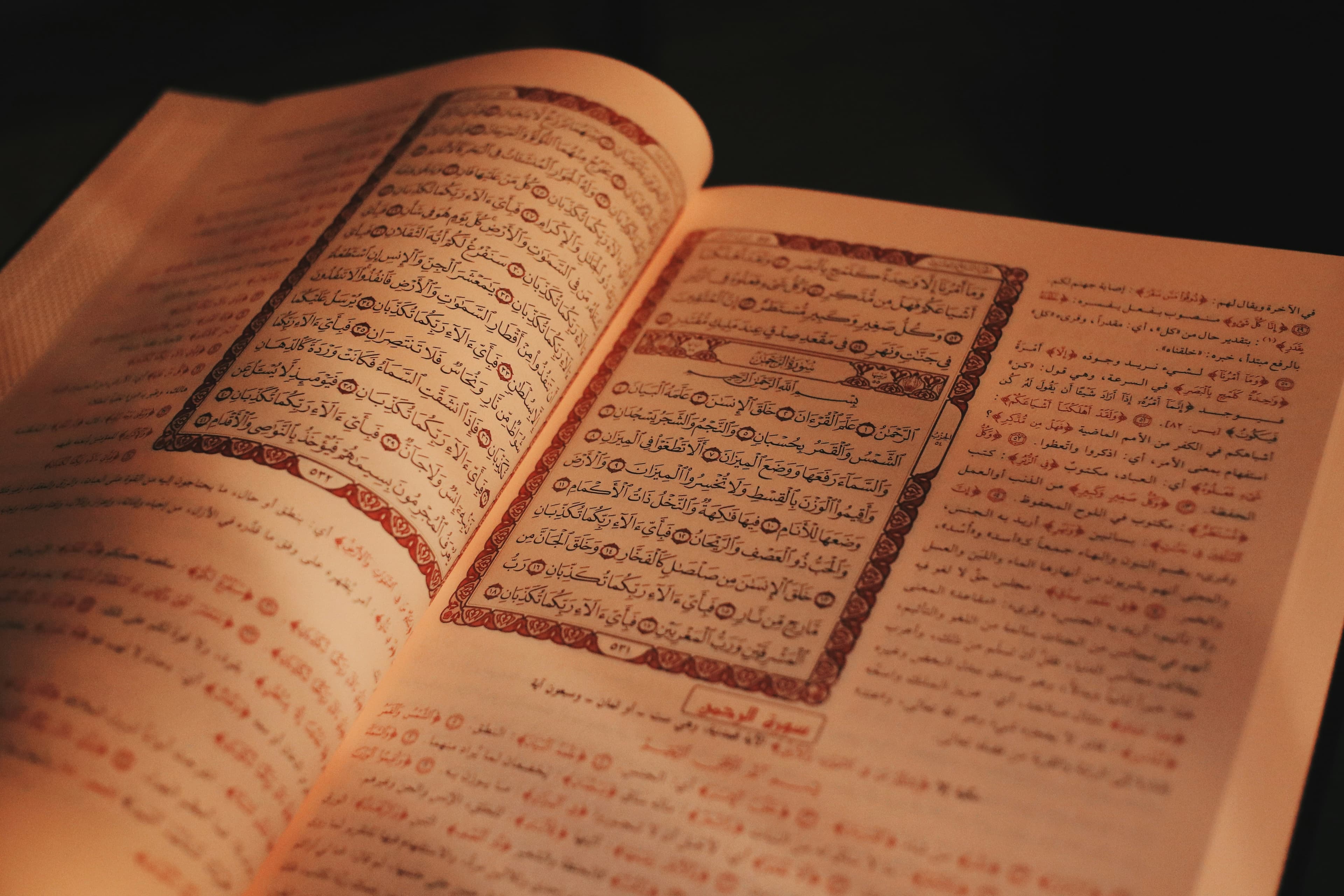
Kalimah means a word or declaration. Muslims learn short statements of faith so belief in Allah and His Messenger ﷺ stays on the tongue and in the heart. Many South Asian homes and schools teach a set of six kalimahs as a memory aid for children and beginners.
What the Six Kalimas are
The Six Kalimas are a commonly taught set of Islamic declarations, supplications, and statements of faith in South Asian Islamic education. They are widely used for learning and memorization, although the Quran does not present them as one numbered set called “the Six Kalimas.”
Children and beginners often learn them one by one. Understanding the meaning matters as much as repeating the sound. For the testimony of faith in the wider creed, see Basic Islamic Beliefs.
1. Kalima Tayyibah
الْكَلِمَةُ الطَّيِّبَة
This is the core testimony of Islam: Allah alone is worshipped, and Muhammad ﷺ is His Messenger.
لَا إِلٰهَ إِلَّا اللهُ مُحَمَّدٌ رَّسُولُ اللهِ
Lā ilāha illallāh, Muḥammadur Rasūlullāh
English: There is no god but Allah. Muhammad is the Messenger of Allah.
اردو: اللہ کے سوا کوئی معبود نہیں۔ محمد اللہ کے رسول ہیں۔
The two clauses of the shahadah are established in the Quran and authentic Sunnah. This pairing is the first Kalima taught in South Asian classrooms.
2. Kalima Shahadah
كَلِمَةُ الشَّهَادَة
The shahadah is spoken with the tongue and held in the heart. It is how a person enters Islam, and it remains the centre of a Muslim’s life.
Subḥānallāh, wal-ḥamdu lillāh, wa lā ilāha illallāh, wallāhu akbar. Wa lā ḥawla wa lā quwwata illā billāhil-ʿAliyyil-ʿAẓīm
English: Glory be to Allah, all praise is for Allah, there is no god but Allah, and Allah is the Greatest. There is no power and no strength except with Allah, the Most High, the Magnificent.
اردو: اللہ پاک ہے، تمام تعریف اللہ کے لیے ہے، اللہ کے سوا کوئی معبود نہیں، اور اللہ سب سے بڑا ہے۔ اور کوئی طاقت اور قوت نہیں مگر اللہ ہی کی طرف سے، جو بلند اور عظمت والا ہے۔
Each phrase is among the well-known words of remembrance taught from authentic prophetic tradition. Grouping them as “the third Kalima” is a classroom teaching method.
4. Kalima Tawheed
كَلِمَةُ التَّوْحِيد
This Kalima gathers phrases of tawhid: Allah’s oneness, His kingdom, His life, and His power.
Lā ilāha illallāhu waḥdahū lā sharīka lah, lahul-mulku wa lahul-ḥamd, yuḥyī wa yumīt, wa huwa ḥayyun lā yamūt, abadan abadā, dhul-jalāli wal-ikrām, bi yadihil-khayr, wa huwa ʿalā kulli shay’in qadīr
English: There is no god but Allah, alone, without partner. His is the kingdom and His is the praise. He gives life and causes death. He is Ever-Living and does not die, forever and ever. Possessor of majesty and honour. In His hand is all good, and He has power over all things.
اردو: اللہ کے سوا کوئی معبود نہیں، وہ اکیلا ہے، اس کا کوئی شریک نہیں۔ بادشاہی اسی کی ہے اور تعریف اسی کے لیے ہے۔ وہ زندگی دیتا ہے اور موت دیتا ہے۔ وہ زندہ ہے، کبھی نہیں مرتا، ہمیشہ ہمیشہ۔ بزرگی اور کرم والا ہے۔ بھلائی اس کے ہاتھ میں ہے، اور وہ ہر چیز پر قادر ہے۔
Core phrases such as “lā ilāha illallāh, waḥdahū lā sharīka lah…” are reported in authentic dhikr. The longer classroom wording is the commonly taught fourth Kalima in South Asian education.
5. Kalima Astaghfar
كَلِمَةُ الْاِسْتِغْفَار
This is a complete formula of seeking forgiveness. It covers sins done on purpose or by mistake, in secret or in public, known and unknown.
Astaghfirullāha rabbī min kulli dhanbin adhnabtuhū ʿamdan aw khaṭa’an, sirran aw ʿalāniyah, wa atūbu ilayhi minadh-dhanbil-ladhī aʿlamu wa minadh-dhanbil-ladhī lā aʿlam. Innaka anta ʿallāmul-ghuyūb, wa sattārul-ʿuyūb, wa ghaffārudh-dhunūb. Wa lā ḥawla wa lā quwwata illā billāhil-ʿAliyyil-ʿAẓīm
English: I seek forgiveness from Allah, my Lord, for every sin I have committed, deliberately or by mistake, secretly or openly, and I turn to Him in repentance from the sin I know and from the sin I do not know. Truly You are the Knower of the unseen, the Concealer of faults, and the Forgiver of sins. There is no power and no strength except with Allah, the Most High, the Magnificent.
اردو: میں اپنے رب اللہ سے ہر اس گناہ کی بخشش مانگتا ہوں جو میں نے جان بوجھ کر یا غلطی سے، چھپ کر یا کھلم کھلا کیا، اور میں اس کی طرف توبہ کرتا ہوں اس گناہ سے جسے میں جانتا ہوں اور اس گناہ سے جسے میں نہیں جانتا۔ بے شک تو غیب جاننے والا، عیب چھپانے والا اور گناہوں کو بخشنے والا ہے۔ اور کوئی طاقت اور قوت نہیں مگر اللہ ہی کی طرف سے، جو بلند اور عظمت والا ہے۔
This longer wording is the commonly taught fifth Kalima in South Asian Islamic education. It is a classroom compilation of words of repentance, not a numbered chapter of the Quran and not a single hadith presented as “the fifth Kalima.” Seeking forgiveness itself is firmly established in the Sunnah.
6. Kalima Radd-e-Kufr
كَلِمَةُ رَدِّ الْكُفْر
This Kalima asks Allah for protection from shirk, known and unknown, then turns away from disbelief and major sins, and ends by restating the shahadah.
Allāhumma innī aʿūdhu bika min an ushrika bika shay’an wa anā aʿlamu bih, wa astaghfiruka limā lā aʿlamu bih. Tubtu ʿanhu wa tabarra’tu minal-kufri wash-shirki wal-kidhbi wal-ghībati wal-bidʿati wan-namīmati wal-fawāḥishi wal-buhtāni wal-maʿāṣī kullihā, wa aslamtu wa aqūlu lā ilāha illallāh, Muḥammadur Rasūlullāh
English: O Allah, I seek refuge in You from associating anything with You while I know it, and I seek Your forgiveness for what I do not know. I repent from it and I disown disbelief, associating partners with You, lying, backbiting, religious innovation, tale-bearing, indecency, slander, and all sins. I submit, and I say: there is no god but Allah, Muhammad is the Messenger of Allah.
اردو: اے اللہ! میں تجھ سے پناہ مانگتا ہوں اس بات سے کہ میں جان بوجھ کر تیرے ساتھ کسی کو شریک ٹھہراؤں، اور میں تجھ سے اس کی بخشش مانگتا ہوں جسے میں نہیں جانتا۔ میں اس سے توبہ کرتا ہوں اور کفر، شرک، جھوٹ، غیبت، بدعت، چغلی، بے حیائی، بہتان اور تمام گناہوں سے بیزاری ظاہر کرتا ہوں۔ میں اسلام لے آیا اور کہتا ہوں: اللہ کے سوا کوئی معبود نہیں، محمد اللہ کے رسول ہیں۔
The opening plea for protection from known and unknown shirk is reported as a prophetic supplication (including Al-Adab al-Mufrad 716). The longer list of sins and the closing shahadah are the commonly taught sixth Kalima in South Asian classrooms, not a numbered Quranic chapter.
How to learn them
Learn slowly with a teacher so pronunciation stays correct, especially for children. Repeat a short portion until it is stable, then add the next Kalima. Do not treat a classroom list as a substitute for understanding tawhid, salah, and good character.
This page does not claim a specific reward-hadith for reciting “the six Kalimas” as a numbered set.
Important notes
Learn slowly with a teacher so pronunciation stays correct, especially for children.
Understanding the meaning matters as much as memorising the words.
This page does not claim a specific reward-hadith for reciting “the six Kalimas” as a numbered set.
This page is provided for general Islamic education and learning. Minor details of worship may differ between schools of Islamic jurisprudence. For personal or complex religious questions, please consult a qualified scholar.