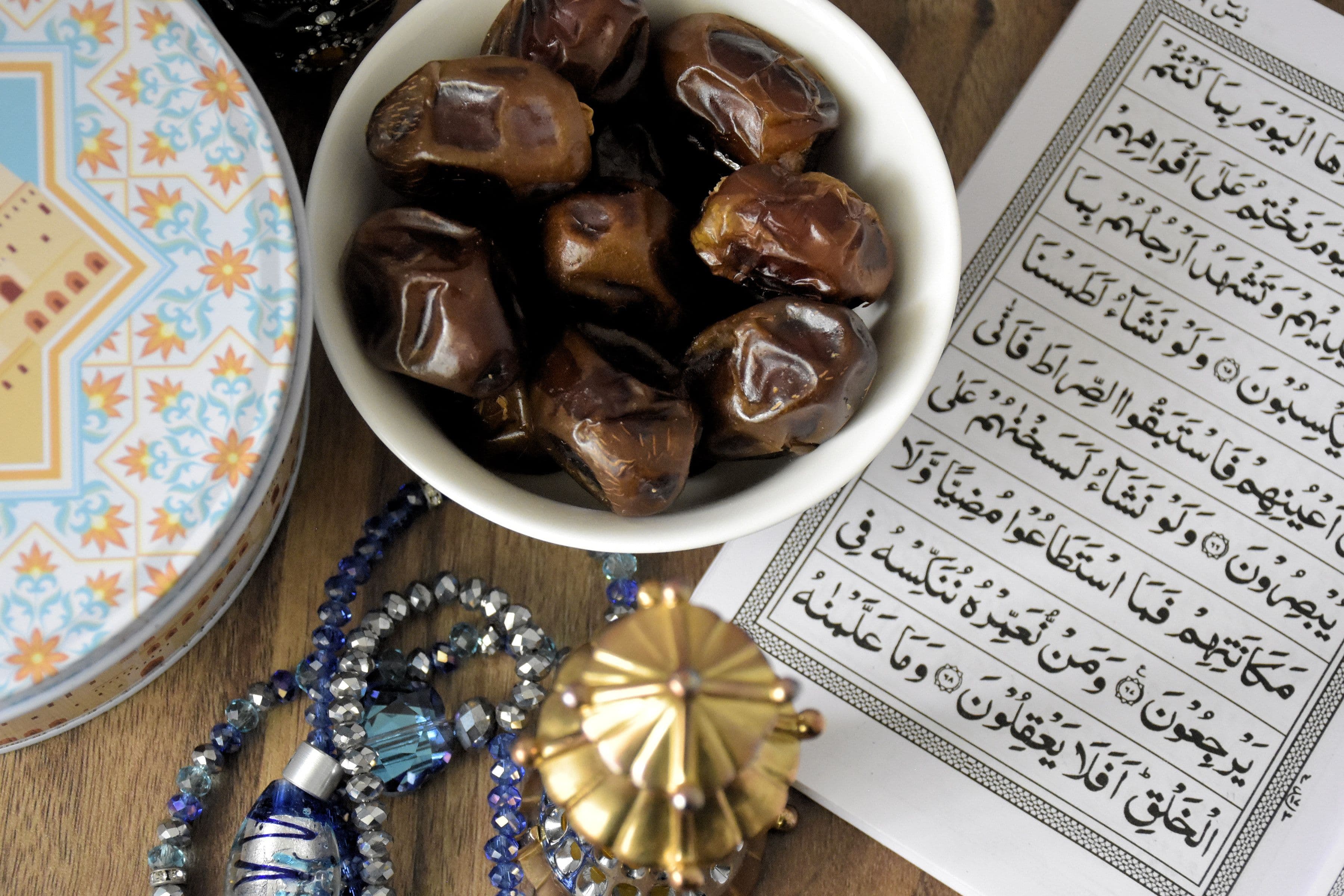
Roza (sawm) is fasting from dawn until sunset: no food, drink, or marital relations in that time, with the intention of worship. Ramadan is the month in which the Quran was revealed and in which fasting is obligatory for those who meet the usual conditions. This page explains the basics. Health, travel, pregnancy, and other situations need personal advice.
What fasting is
Roza (sawm) is fasting from dawn until sunset: no food, drink, or marital relations in that time, with the intention of worship. Fasting trains self-control, reminds us of people who are hungry, and turns the day toward Quran, prayer, and good character.
The Quran addresses fasting as something prescribed for those who believe, as it was for those before them, so that they may become mindful of Allah (Quran 2:183–185).
Minor details may differ between schools of Islamic jurisprudence. This guide presents a commonly taught Sunni method. For personal fiqh questions, consult a qualified scholar.
Ramadan
Ramadan is the month in which the Quran was revealed and in which fasting is obligatory for those who meet the usual conditions. Muslims fast the days of Ramadan unless they have a recognised excuse. Nights include extra prayer for those who can. The month ends with Eid al-Fitr.
Children are often encouraged gently as they grow. Obligation follows the usual conditions of maturity and ability. Health, travel, pregnancy, and other situations need personal advice — not a webpage ruling.
Suhoor
Suhoor is the pre-dawn meal. Eating then is a sunnah many families keep, even if the meal is small. Stop eating at the start of Fajr (the true dawn used for the prayer timetable). Do not invent a mandatory Arabic “suhoor dua” that the Prophet ﷺ did not teach as a condition of the fast.
Intention
The intention for fasting is in the heart. There is no need to make the validity of the fast dependent on reciting a particular fixed Arabic sentence. Intend that you are fasting this day of Ramadan for Allah.
A commonly taught niyyah wording (not a required formula)
The intention for fasting is in the heart. There is no need to make the validity of the fast dependent on reciting a particular fixed Arabic sentence. The line below is a later classroom wording used in some homes. It is shown so families can recognise it — it is not presented here as a required Prophetic formula.
نَوَيْتُ أَنْ أَصُومَ غَدًا مِنْ شَهْرِ رَمَضَانَ
Nawaytu an aṣūma ghadan min shahri Ramaḍān
English: I intend to fast tomorrow of the month of Ramadan. (Classroom wording.)
اردو: میں نے رمضان کے مہینے کا کل کا روزہ رکھنے کی نیت کی۔ (درسی عبارت۔)
Classroom formulation used in some teaching traditions. Not cited here as an authentic required Sunnah wording for suhoor.
Iftar
Iftar is breaking the fast at sunset. Do not begin before sunset. Many families break the fast with dates and water when available, then pray Maghrib, then eat a fuller meal. Eating calmly and avoiding waste is part of good etiquette.
After you have broken the fast, this well-known wording is reported:
When breaking the fast
This wording is reported for after the fast has been broken. Recite it after you have taken something to break the fast, such as water or a date.
Dhahabaẓ-ẓama’u wabtallatil-ʿurūqu wa thabatal-ajru in shā’ Allāh
English: The thirst has gone, the veins are moistened, and the reward is confirmed, if Allah wills.
اردو: پیاس چلی گئی، رگیں تر ہو گئیں، اور اجر ثابت ہوا، اگر اللہ نے چاہا۔
Sunan Abi Dawud 2357.
Other everyday duas, including eating and drinking, are on Daily Duas.
What generally invalidates the fast
Deliberately eating or drinking, or marital relations, during the fasting hours breaks the fast.
Genuine forgetfulness is treated differently by scholars: a person who eats or drinks by genuine forgetfulness is often taught to continue the fast. How to make up or expiate a broken fast is a matter for a teacher — not for a short web page.
What does not, in common teaching, break the fast by itself
Unavoidable things such as swallowing saliva, or being in a state of minor tiredness, are not treated as eating. Injections, medicine, and dental work depend on the type — get a specific answer. This list is not a licence to invent exceptions.
Good deeds and etiquette in Ramadan
Read what Quran you can, keep Salah, give charity, and guard the tongue. Fasting is not only an empty stomach. Many families also use Ramadan to review duas and manners with children. Keep suhoor and iftar simple enough that worship still has a place in the day.
Common beginner questions
Brushing teeth: the concern is not to swallow anything. Ask your teacher about toothpaste and water.
Travel and illness: the Quran allows not fasting in those cases, with makeup later. Confirm your situation with someone qualified.
Children: encourage without forcing a harmful fast. Ability and age matter.
This is educational, not medical or legal advice. If fasting would harm you, speak to a doctor and a knowledgeable teacher. Keep Salah in its times throughout Ramadan as well.
Important notes
This is educational, not medical or legal advice. If fasting would harm you, speak to a doctor and a knowledgeable teacher.
This page is provided for general Islamic education and learning. Minor details of worship may differ between schools of Islamic jurisprudence. For personal or complex religious questions, please consult a qualified scholar.