
Adab & Akhlaq
Adab is courtesy in how we act. Akhlaq is character — the habits of the heart that show in speech and behaviour. Islam does not separate worship from how we treat people. These points are for children and adults alike.
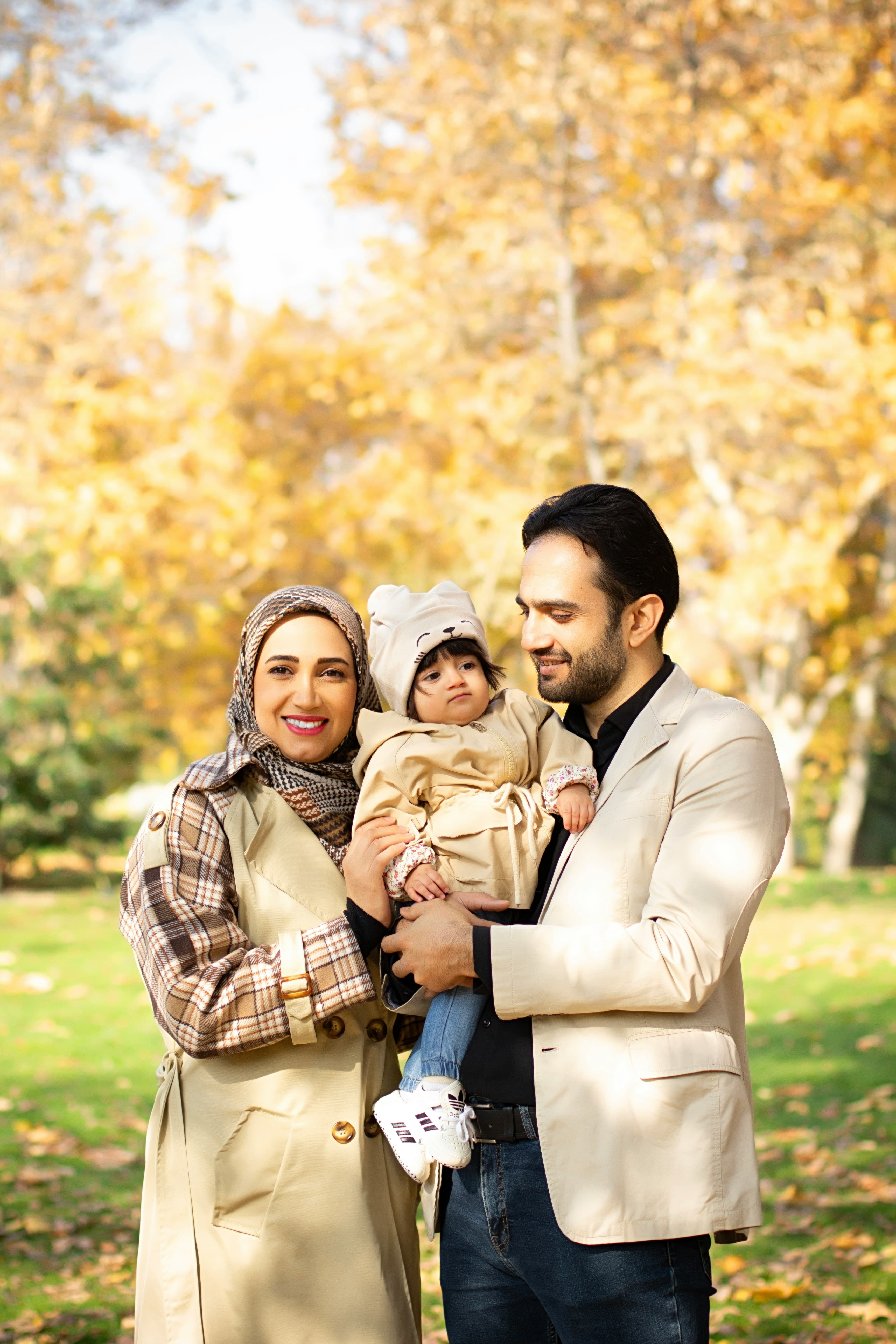
Respect for parents
The Quran pairs worship of Allah with kindness to parents. Speak gently, help them, and make dua for them. Disagreement does not require harshness. If a parent asks for something that goes against Islam, a teacher can help you think that situation through — this page does not attempt a full ruling.
Honesty and good speech
Tell the truth. Keep promises. Avoid lying, mockery, and talking about people in ways you would hate if it were said about you. The tongue is often the first place character shows.
Kindness and helping others
Help when you can: a neighbour, a classmate, someone carrying a load. Charity is not only money. A smile and a useful hand are part of good character.
Neighbour rights and respect
Be a neighbour people feel safe beside: lower noise where you can, do not harm, and greet with salam. Respect elders, teachers, and those who serve you.
Cleanliness
Clean body, clean clothes, and a clean place of prayer are part of a Muslim’s adab. Wudu and ghusl have their own rules; everyday hygiene is still a form of respect for yourself and others.
Patience
Sabr is patience when something is delayed, difficult, or unfair. It is not pretending you do not feel hurt. It is holding back harm and keeping Salah and good speech while you wait for relief from Allah.
Manners for children
- Say salam when entering.
- Ask permission before taking what is not yours.
- Do not interrupt adults roughly; wait your turn.
- Share, apologise, and tell the truth even when it is uncomfortable.
Important notes
- Character is learned by example. Parents and teachers matter more than a webpage.
- This page is provided for general Islamic education and learning. Minor details of worship may differ between schools of Islamic jurisprudence. For personal or complex religious questions, please consult a qualified scholar.
Explore Islamic Education
Learn with a teacher
Reading a guide is a start. Live one-to-one classes help with pronunciation, questions, and a method you can keep.
Want guided Islamic learning?
Book a free trial for one-to-one Quran and Islamic studies with a real teacher — including a female teacher for sisters.